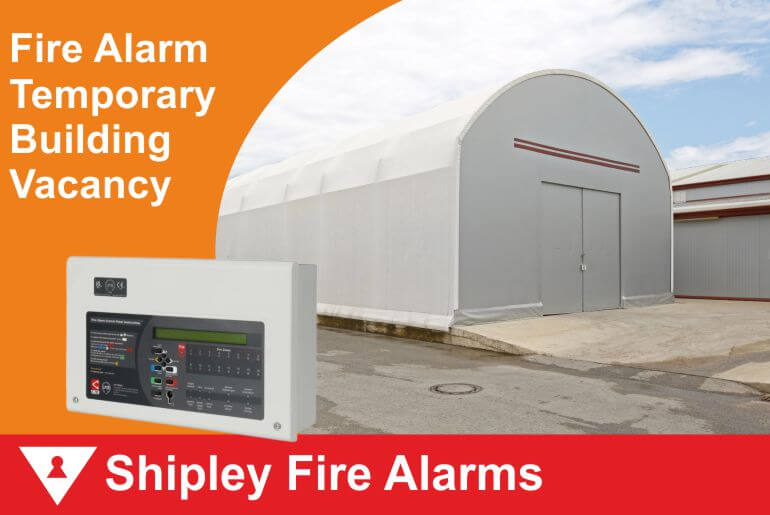
Temporary Building Vacancies –
Commercial buildings are not always occupied continuously. Offices may become vacant between tenants, retail units can remain empty during refurbishment, and industrial premises may stand unused while businesses relocate or expand. Although the building may be empty, the fire alarm system still plays a vital role in protecting the property.
A common misconception is that a vacant building requires little attention because there are no staff or customers on site. In reality, periods of vacancy can introduce new risks that should be considered as part of ongoing building management.
For commercial property owners and facilities managers in Shipley, understanding how vacant periods affect fire alarm systems helps maintain reliable protection until the building is occupied again.
A Vacant Building Is Still at Risk
Even when a building is temporarily unoccupied, electrical systems often remain energised, plant equipment may continue operating and contractors may visit periodically.
Unexpected incidents such as electrical faults, water ingress or unauthorised access can still occur, making early fire detection just as important as when the building is fully occupied.
Maintaining the fire alarm system during these periods provides reassurance that the property remains protected.
Maintenance Should Continue
It can be tempting to postpone servicing while a building is empty, particularly if it is expected to be reoccupied within a few months.
However, routine maintenance remains important because it helps identify developing faults before they become more significant.
Regular servicing can also confirm that standby batteries, power supplies and detection devices continue to operate correctly throughout the vacancy period.
Environmental Changes
Vacant buildings often experience different environmental conditions from occupied premises.
Heating systems may operate less frequently, ventilation patterns may change and dust can accumulate more quickly during refurbishment or maintenance works.
These changes can influence the condition of fire alarm devices over time and reinforce the importance of periodic inspections.
Preparing for New Occupants
Before a vacant building is handed over to a new tenant or reopened for business, the fire alarm system should be reviewed as part of the overall preparation process.
This may include checking:
- System condition.
- Outstanding faults.
- Maintenance records.
- Detector locations.
- Control panel status.
- Recent alterations.
- Battery condition.
- Building documentation.
Completing these checks before occupation helps avoid unnecessary delays and provides confidence that the system is ready for normal operation.
Supporting Property Managers
Managing multiple commercial properties often involves coordinating maintenance across different locations.
Including vacant premises within planned fire alarm maintenance programmes ensures they receive the same level of attention as occupied buildings, reducing the likelihood of unexpected issues when tenants return.
This proactive approach also supports long-term asset management.
Planning Ahead
Vacancy periods often provide an opportunity to consider improvements that would be more disruptive once the building is occupied.
If future upgrades or extensions to the fire alarm system are being considered, completing this work before new tenants move in can simplify the project and reduce inconvenience.
Planning ahead can also help align fire alarm improvements with wider refurbishment or redevelopment works.
Commercial Fire Alarm Support for Vacant Buildings in Shipley
A temporary building vacancy should never mean that a fire alarm system is forgotten.
Ongoing maintenance, regular inspections and forward planning all help ensure the system remains dependable throughout the vacant period and is ready for occupation when the building returns to use.
Commercial buildings are not always occupied continuously. Offices may become vacant between tenants, retail units can remain empty during refurbishment, and industrial premises may stand unused while businesses relocate or expand. Although the building may be empty, the fire alarm system still plays a vital role in protecting the property.
A common misconception is that a vacant building requires little attention because there are no staff or customers on site. In reality, periods of vacancy can introduce new risks that should be considered as part of ongoing building management.
For commercial property owners and facilities managers in Shipley, understanding how vacant periods affect fire alarm systems helps maintain reliable protection until the building is occupied again.
A Vacant Building Is Still at Risk
Even when a building is temporarily unoccupied, electrical systems often remain energised, plant equipment may continue operating and contractors may visit periodically.
Unexpected incidents such as electrical faults, water ingress or unauthorised access can still occur, making early fire detection just as important as when the building is fully occupied.
Maintaining the fire alarm system during these periods provides reassurance that the property remains protected.
Maintenance Should Continue
It can be tempting to postpone servicing while a building is empty, particularly if it is expected to be reoccupied within a few months.
However, routine maintenance remains important because it helps identify developing faults before they become more significant.
Regular servicing can also confirm that standby batteries, power supplies and detection devices continue to operate correctly throughout the vacancy period.
Environmental Changes
Vacant buildings often experience different environmental conditions from occupied premises.
Heating systems may operate less frequently, ventilation patterns may change and dust can accumulate more quickly during refurbishment or maintenance works.
These changes can influence the condition of fire alarm devices over time and reinforce the importance of periodic inspections.
Preparing for New Occupants
Before a vacant building is handed over to a new tenant or reopened for business, the fire alarm system should be reviewed as part of the overall preparation process.
This may include checking:
- System condition.
- Outstanding faults.
- Maintenance records.
- Detector locations.
- Control panel status.
- Recent alterations.
- Battery condition.
- Building documentation.
Completing these checks before occupation helps avoid unnecessary delays and provides confidence that the system is ready for normal operation.
Supporting Property Managers
Managing multiple commercial properties often involves coordinating maintenance across different locations.
Including vacant premises within planned fire alarm maintenance programmes ensures they receive the same level of attention as occupied buildings, reducing the likelihood of unexpected issues when tenants return.
This proactive approach also supports long-term asset management.
Planning Ahead
Vacancy periods often provide an opportunity to consider improvements that would be more disruptive once the building is occupied.
If future upgrades or extensions to the fire alarm system are being considered, completing this work before new tenants move in can simplify the project and reduce inconvenience.
Planning ahead can also help align fire alarm improvements with wider refurbishment or redevelopment works.
Commercial Fire Alarm Support for Vacant Buildings in Shipley
A temporary building vacancy should never mean that a fire alarm system is forgotten.
Ongoing maintenance, regular inspections and forward planning all help ensure the system remains dependable throughout the vacant period and is ready for occupation when the building returns to use.
For commercial landlords, property managers and business owners across Shipley, maintaining fire alarm protection during periods of vacancy is an important part of safeguarding both the building and its future.